
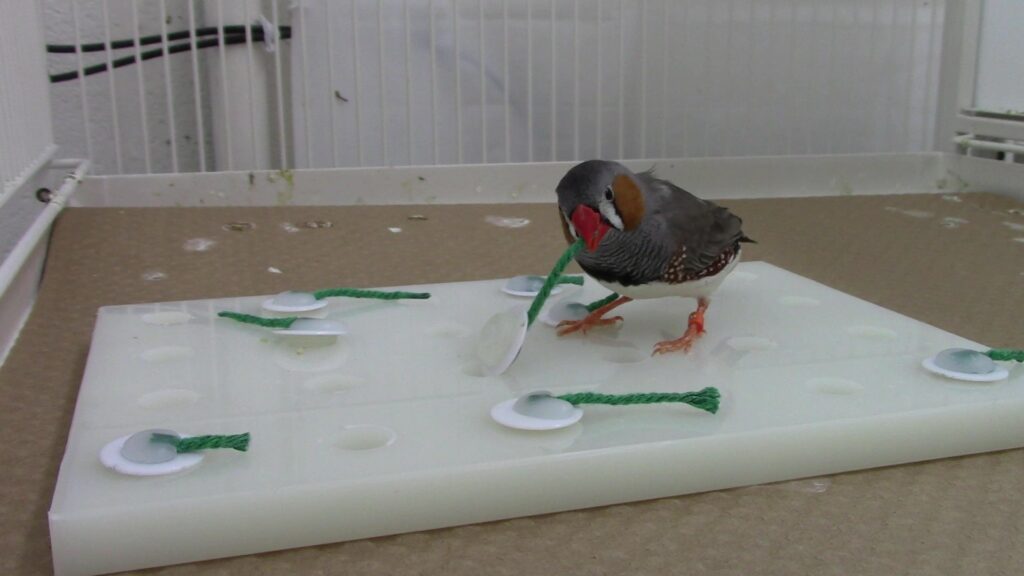
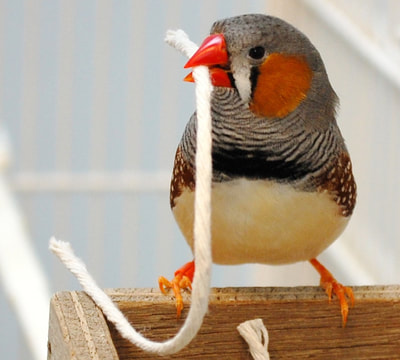
The Animal Cognition Research Group (ACRG), led by Dr. Lauren Guillette, a Canada Research Chair, investigates how animals learn, make decisions, solve problems, and navigate complex social environments. Using a combination of controlled laboratory experiments, computational approaches, and behavioural analyses, the ACRG examines the cognitive mechanisms underlying behaviours ranging from nest building and social learning to information use and cultural transmission. The group’s primary model system is the zebra finch, a highly social songbird that provides a useful model system for studying cognition in ecologically relevant contexts.
A major focus of the ACRG is understanding how individual differences, such as cognitive biases and preferences, shape decision-making and social behaviour. The ACRG is also deeply committed to EDI, mentorship, interdisciplinary collaboration, public engagement, integrating undergraduate and graduate training with outreach initiatives that bring animal cognition research into classrooms and communities.
main themes
Nest building
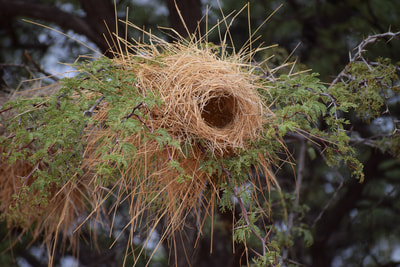
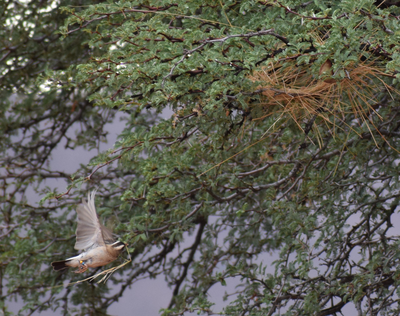
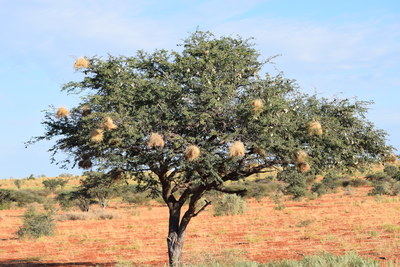
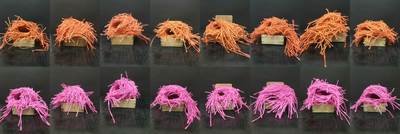
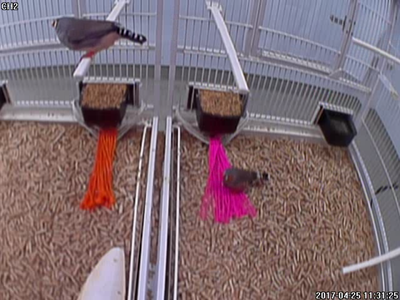
Nest building is a key reproductive event that is nearly ubiquitous amongst birds but varies in (1) who builds the nets, (2) when the nest is built, (3) what material go into the nest, (4) what form the nest takes, to name but a few variables. We ask questions about the role of learning (including social learning) in nest-building behaviour in birds.
Among-individual variation
Animal of all kinds seem to vary consistently from one-another in their behaviours (called animal personality) but also in how they acquire, process, store, and recall information (cognition). We ask questions about the causes and consequences of among-individual variation in cognitive abilities.
Social vs asocial learning
Why do some animals seem to rely more on information acquired through interaction with, and observation of others (social learning) while other animals acquire their information on their own (asocial learning)? We ask questions about when animals seem to prioritize one information sources over another.