On June 19 and June 20, 2025, we held the first ever Alberta Social Psychology Symposium at the University of Calgary! We brought together over 80 faculty members, graduate students, and undergraduate students to participate in poster sessions, talks, and discussions on social psychology. Please see below for the biography and abstract of our 2025 ASPS keynote speaker, Dr. Michael Wohl. Also below, is the ASPS 2025 program which includes the abstracts and biographies of our remaining speakers as well as the abstracts of students’ poster presentations. Thank you to the University of Alberta, the University of Calgary, the Kule Insitutute for Advanced Study, and to everyone who attended!
The second-annual ASPS will be taking place this year on April 30 and May 1. Please see our newly developed ASPS website for more information: https://sites.psych.ualberta.ca/ASPS/
Thank you for making our first symposium a success, and we hope to see you again this spring!
ASPS 2025-Keynote Speaker: Dr. Michael J. A. Wohl
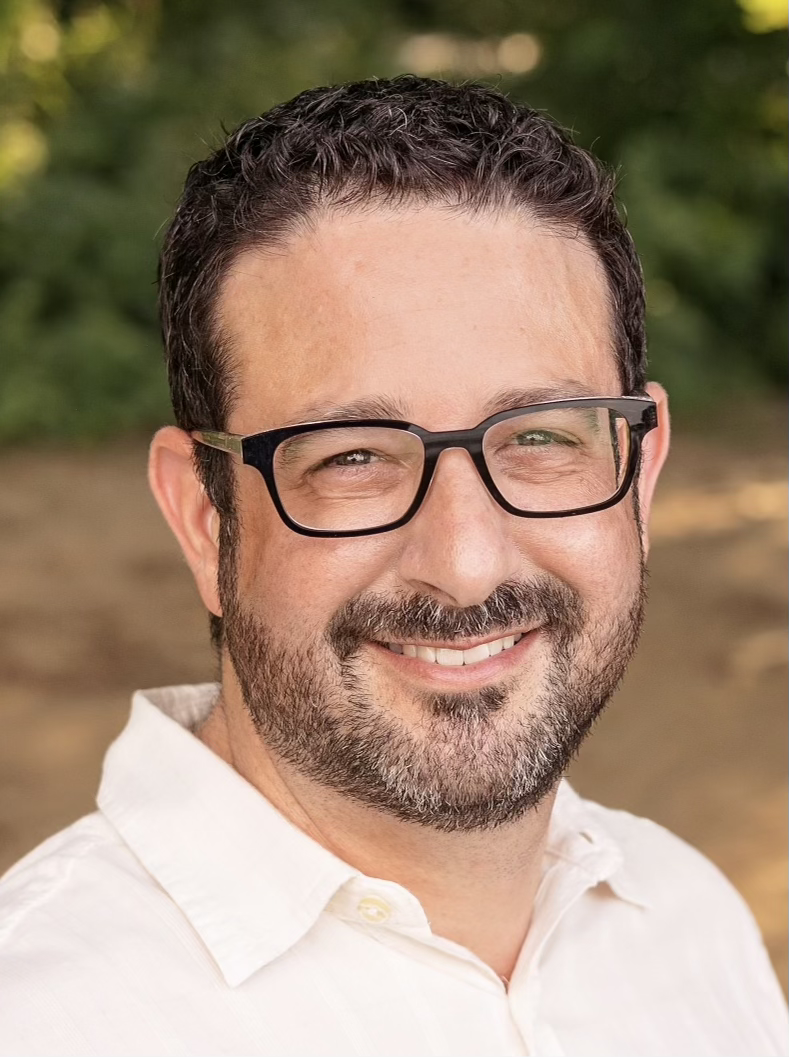
Dr. Michael J. A. Wohl (an alum of the University of Alberta; graduating year undisclosed) is a Professor and Graduate Chair in the Department of Psychology at Carleton University in Ottawa, Canada, and Director of the Conflict Resolution Laboratory (CRL). His research sits at the intersection of social and political psychology, with a focus on the psychological underpinnings of intergroup conflict, reconciliation, and political attitudes. At the CRL, Dr. Wohl and his team investigate the causes and consequences of harmdoing between groups, as well as the pathways to forgiveness, justice, and lasting peace. His recent work explores the role of nostalgia—particularly collective nostalgia—in shaping political behavior. This includes examining how longing for an idealized past can both unite groups and, at times, promote polarization, resistance to diversity, and support for anti-democratic leaders. Dr. Wohl has published over 200 peer-reviewed articles, with his work cited more than 19,000 times. He is a Fellow of both the Association for Psychological Science and the Society for Personality and Social Psychology. At Carleton University, he has been recognized with several prestigious honors, including the Research Achievement Award, the Graduate Mentoring Award, and the Teaching Excellence Award. To support his research, Dr. Wohl has secured over seven
million dollars in funding from organizations such as the Canada Foundation for Innovation, the Social Sciences and Humanities Research Council of Canada, Defense Research and Development Canada, the Institute for Humane Studies, and Ontario’s Ministry of Health and Long-Term Care.
Rose-Tinted Glasses and Red-Hot Politics: Collective Nostalgia Shapes Intergroup Attitudes and Support for Strong Leaders
The human mind is a master time traveler, often seeking refuge in the past—especially when a cherished group identity feels under threat. Psychologically this can take the form of collective nostalgia: sentimental longing for a (sometimes imagined) past that reflects desired aspects of the present. Critically, the content of this nostalgia—what group members are nostalgizing about—has predictive power. In this talk, I present data showing that different forms of collective nostalgia are associated with divergent group outcomes, including support for strong leaders. I argue that understanding the specific content of collective nostalgia is essential for researchers and policymakers seeking to explain and address contemporary intra- and intergroup relations, including both pro- and anti-social behaviours.