Principal Investigator
David Rast, III, Director
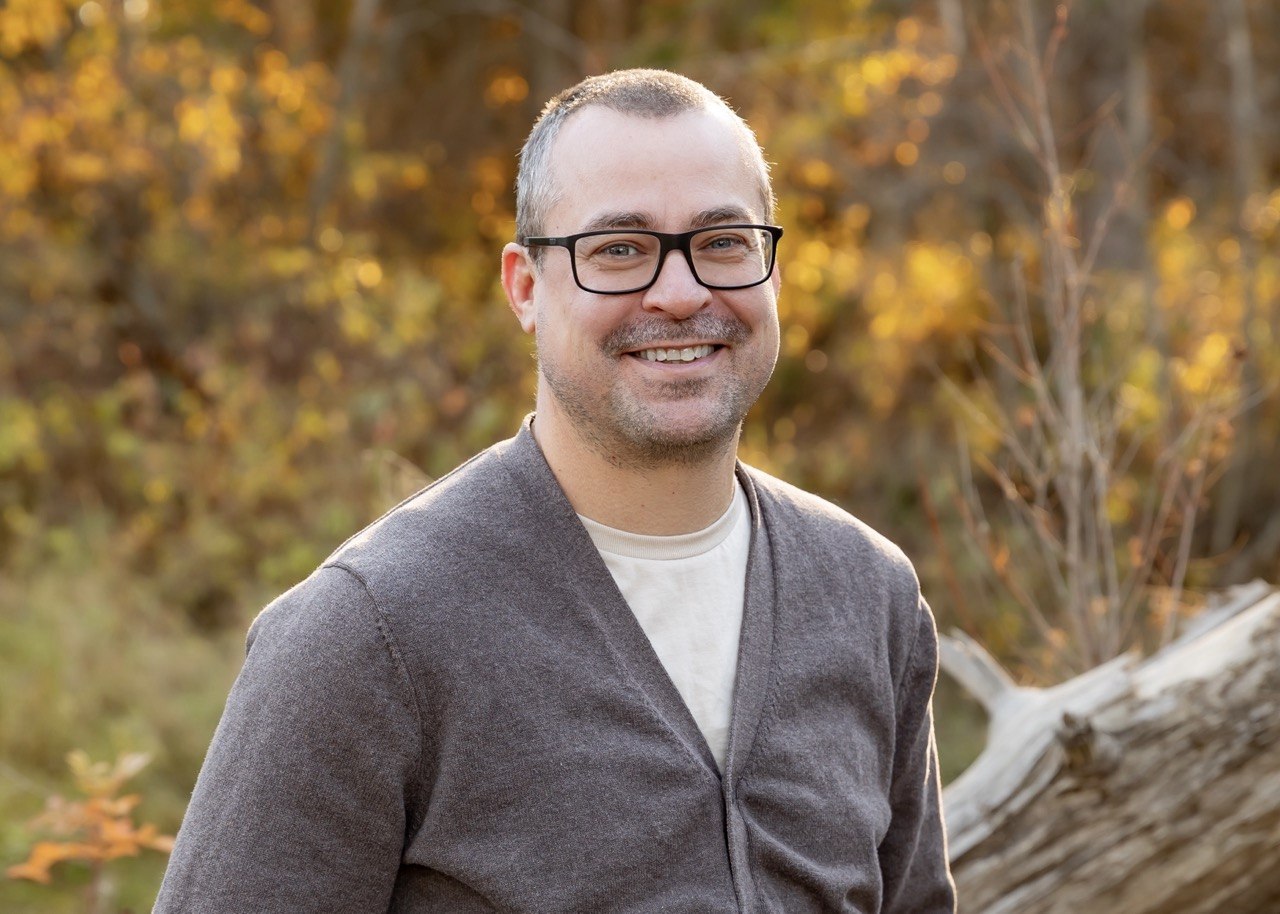
David is a full professor of social psychology and leadership, and a Strategic Research Chair in Arts at the University of Alberta. David has two primary lines of research drawing extensively on social identity and self-categorization theories, as well as related subtheories. First, he is interested in understanding how leaders elicit or incite social and organizational change by going against their group’s norms. Second, he is interested in understanding how leaders can bridge profound intergroup divisions to build a unified no identity and achieve a joint goal. Other lines of research are related to these two themes, exploring the processes and implications of political identity, minority influence, deviance, intergroup cooperation/conflict, leader rhetoric, and organizational behavior. David’s work is generously supported by the Social Sciences and Humanities Research Council of Canada (SSHRC).
David completed his PhD and Master’s at Claremont Graduate University (USA) during which time he was a Predoctoral Research Fellow for the U.S. Army Research Institute’s Leader Development Research Unit at Fort Leavenworth in Kansas (USA). Prior to joining the Department of Psychology at the University of Alberta in 2015, he was an assistant professor at the University of Sheffield’s Institute of Work Psychology (UK). David previously served as an Associate Editor for the Journal of Applied Social Psychology, and is currently a Consulting Editor for Group Processes and Intergroup Relations, and is appointed to the Editorial Boards of Self and Identity and the Journal of Theoretical Social Psychology. In 2018, David was elected as a Fellow of the Society for Experimental Social Psychology.
Download CV (pdf)
Lab Managers
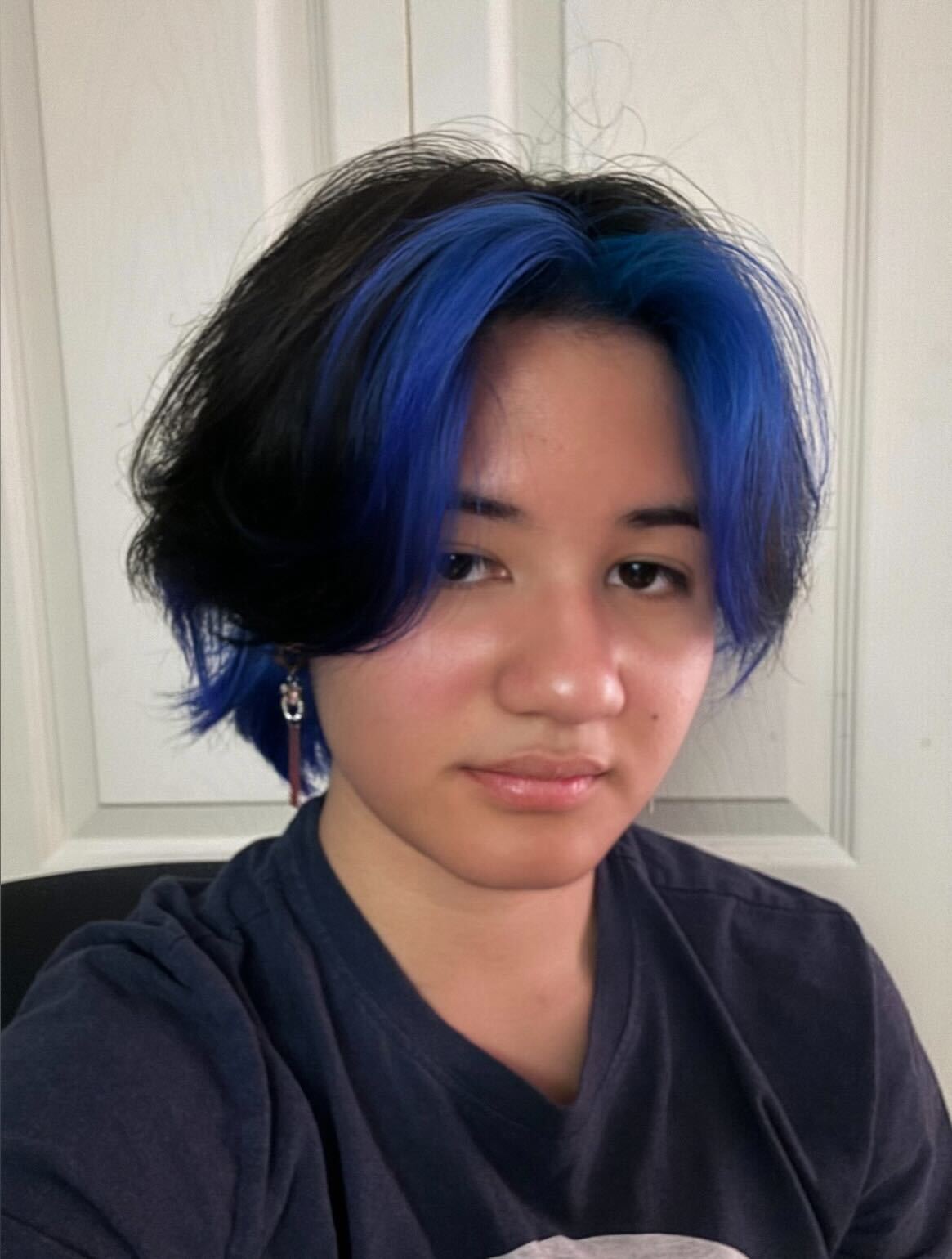
Kriza Begnaen is a fifth-year undergraduate student majoring in both psychology and sociology. He is interested in social psychology, especially when it comes to looking at demographic minorities. Kriza plans to pursue a masters degree in counselling psychology after he completes his undergraduate degree.
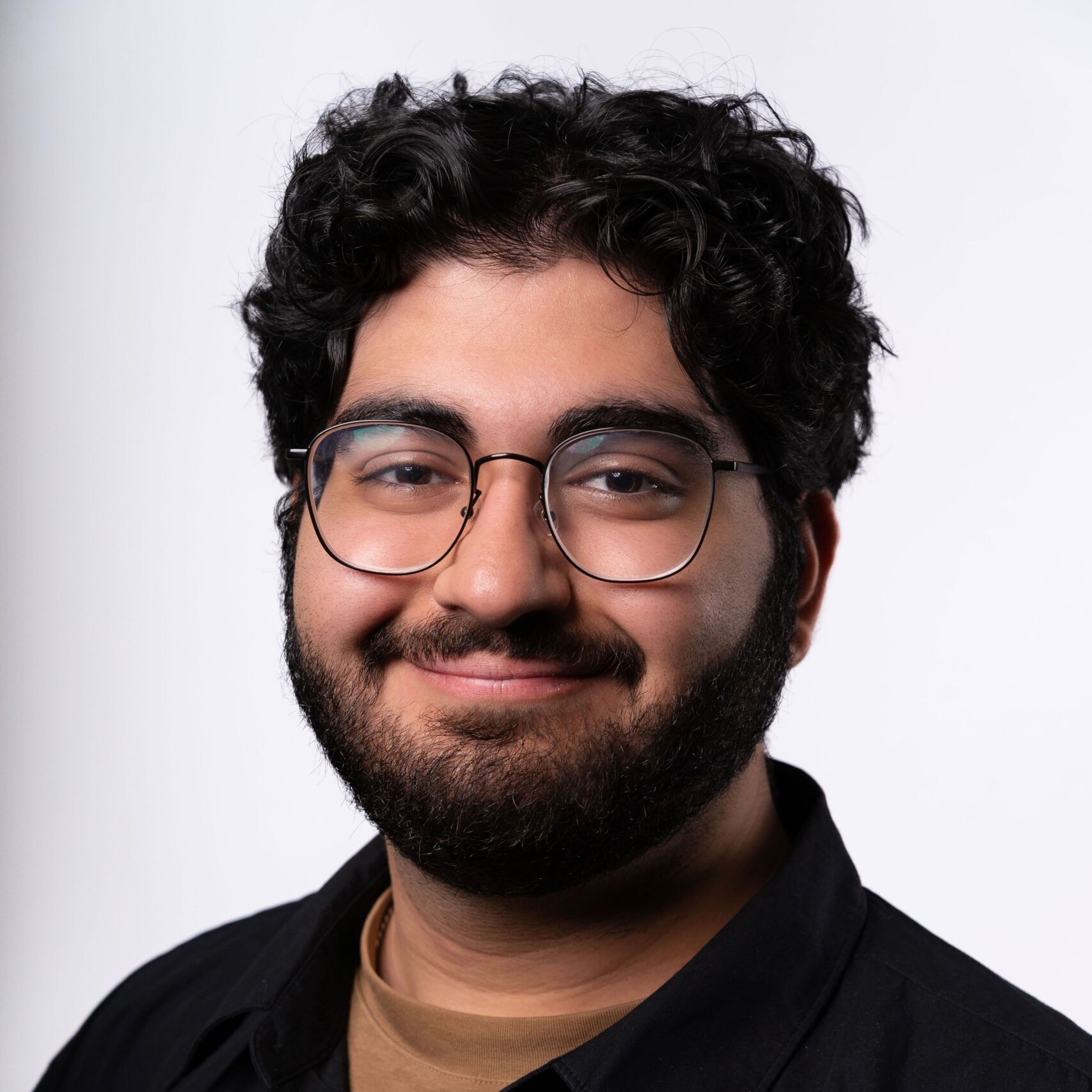
Mohammed Ali is a sixth-year undergraduate psychology specialization student in the Faculty of Science. He is interested in developing his research skills and the links between psychology and leadership, and is hoping to pursue a master’s degree in psychology and enter the field of clinical psychology.
Graduate Students

Angela Ma is in the fourth year of her PhD program at the University of Alberta. She is interested in the ability of leaders to promote social identity change in their group. Her current research focuses on the impact of leader rhetoric on what followers perceive as normal within their groups. Angela completed her undergraduate degree at the University of Alberta, and she is continuing in the graduate program after successfully defending her Master’s thesis, Divide and Conquer: Effects of Highlighting Sub-Group Divisions on Leader Support from the Majority.
- Ma, A. C., Rast, D. E. III., & Wohl, M. J. A. (2026, July 7 – July 8). Confronting our past: Empathetic collective angst and perpetrator group members’ support for leaders giving intergroup apologies [Conference presentation]. Social Identity Meeting, Canterbury, United Kingdom.
- Ma, A. C., Rast, D. E. III, & Wohl, M. J. A. (2026, June 30 – July 4). Confronting our past: Empathetic collective angst and perpetrator group members’ support for leaders giving intergroup apologies. In K. Chen (Chair), Disentangling Identity and Group Processes in Societal Polarization [Symposium]. European Association of Social Psychology 2026 General Meeting, Strasbourg, France.
- Ma, A. C., Rast, D. E. III, & Wohl, M. J. A. (2025, February). When leaders apologize: The influence of leader prototypicality on public support for Tim Cook in the wake of the Apple Batterygate scandal. Poster accepted for presentation at the 26th annual conference for the Society of Personality and Social Psychology (SPSP), Denver, CO, USA.
Ma, A. C. & Wohl, M. J. A. (2024, February). An apology for all of us: Effects of prototypicality in perpetrator group’s support for a leader following intergroup apology. Poster accepted for presentation at the 25th annual conference for the Society of Personality and Social Psychology (SPSP), San Diego, CA, USA.
Kincaid, K. M., Ma, A. C., Rast III, D. E., & Hogg, M. A. (2024).That’s my autocrat: Self-uncertainty elevates support for autocratic leadership during Canada’s Freedom Convoy. Analyses of Social Issues and Public Policy. https://doi.org/10.1111/asap.12414 - Ma, A. C., Rast, D., Gaffney, A. M. (2023, February). Setting the standard: Leaders changing perceived norms within groups. Poster accepted for presentation at the 2023 Society for Personality and Social Psychology Group Processes and Intergroup Relations (GPIR) pre-conference, Altanta, GA, USA.
- Ma, A. C., Rast, D. E. III., & Gaffney, A. M. (2022, June) Setting the standard: Leaders changing perceived norms within groups [data blitz presentation]. 2022 Canadian Psychological Association Social & Personality preconference, Calgary, AB, Canada.
- Ma, A. C., Rast, D. E. III., & Gaffney, A. M. (2022, February). “Our” values: Effects of leader rhetoric on perceptions of multiculturalism. Poster accepted for the 23rd annual conference for the Society for Personality and Social Psychology (SPSP).

Nancy Ansah-Addo is a first year PhD student in Psychology at the University of Alberta and a Personnel Selection Officer in the Canadian Armed Forces. Her research interests lie at the intersection of social psychology and organizational behaviour, focusing on social identity, intergroup relations, leadership, and group processes. Her doctoral research examines external appointment and boundary-spanning leadership in the Canadian Armed Forces, and its effects on cross-branch trust, cooperation, and psychological empowerment. She is interested in applying social psychological theory to understand leadership and collaboration across organizational and group boundaries.
- Ansah-Addo, N. (2020). Childbirth in Africa: The role social support plays in the psychological health of mothers: A case study of Ghanaian mothers in the Greater Accra Region. Master’s thesis, University of Copenhagen, Denmark.
- Ansah-Addo, N. (2019). Psychological health, social support, and socioeconomic status of mothers visiting Korle-Bu Teaching Hospital. Master’s thesis, University of Ghana.
- Ansah-Addo, N. (2012). Psychological traits under stress and stress management. Seminar presentation.
Undergraduate Research Assistants

Saraiah Cottrell is a fifth-year honors psychology student. She is interested in exploring social psychology, specifically social identity and leadership. Saraiah plans to pursue a masters and a PhD in clinical psychology.
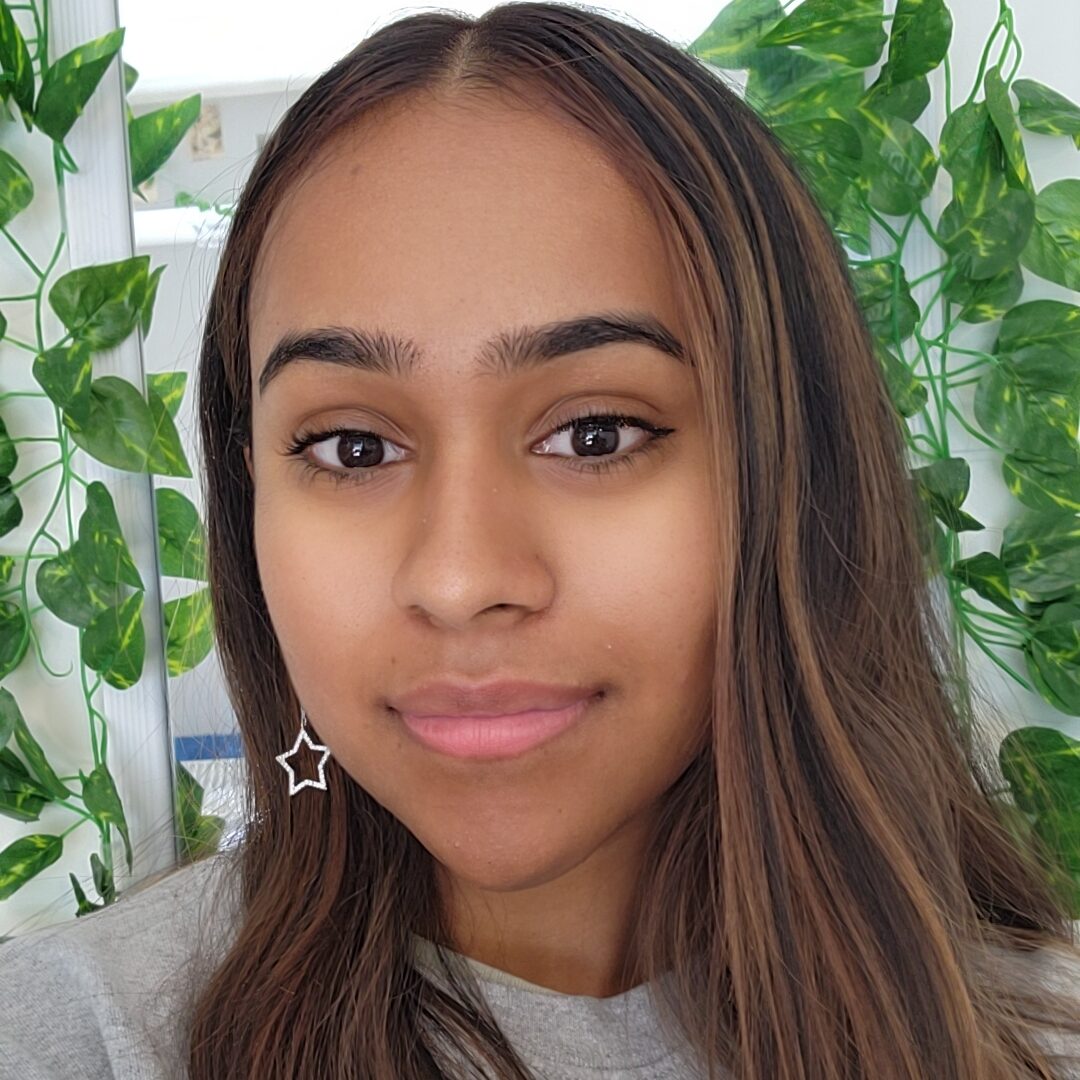
Dhanika Purmanan is a first-year MSc Public Health student and a recent graduate with a BSc Honors in Psychology. She has a keen interest in public health and evaluation, particularly in the early childhood sector. Additionally, she is focused on social psychology, exploring areas such as group dynamics, autocratic leadership, and the effects of uncertainty on leadership support.
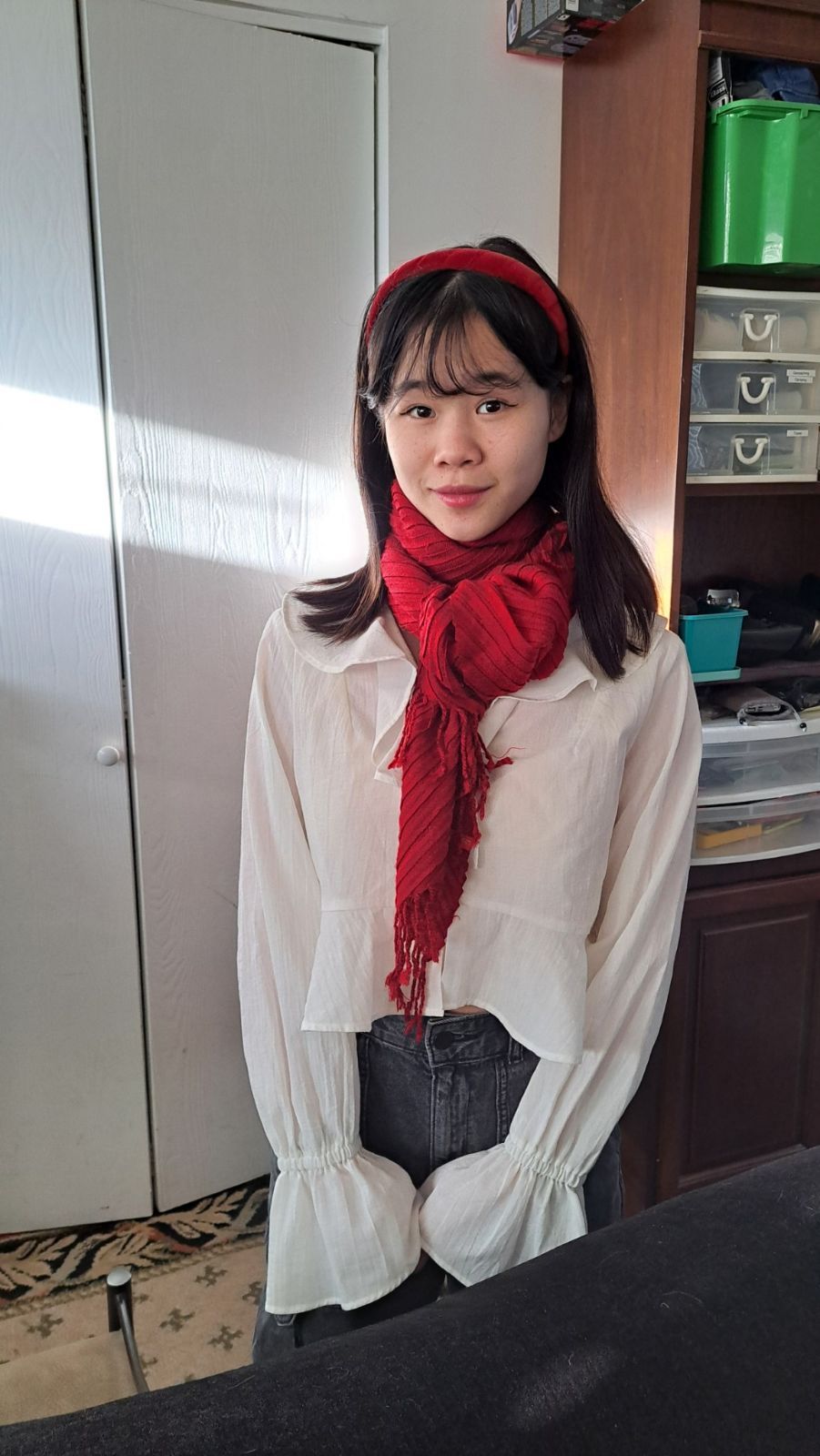
Cassidy Lin is a fifth-year student in the Faculty of Arts, majoring in Psychology. She is particularly interested in social psychology and intergroup communication, especially between various cultures, ethnic groups and types of leadership. After completion of her undergraduate degree, she is hoping to pursue a master’s degree in social psychology.

Dilnaz Mansurova is a recent graduate of the Faculty of Arts, majoring in Psychology. She is deeply curious about intragroup trust, particularly towards the leader, and the relationship between uncertainty, group identity, and autocratic leadership. Once she completes her bachelor’s degree, she plans to pursue a Board Certified Behavior Analyst certification.
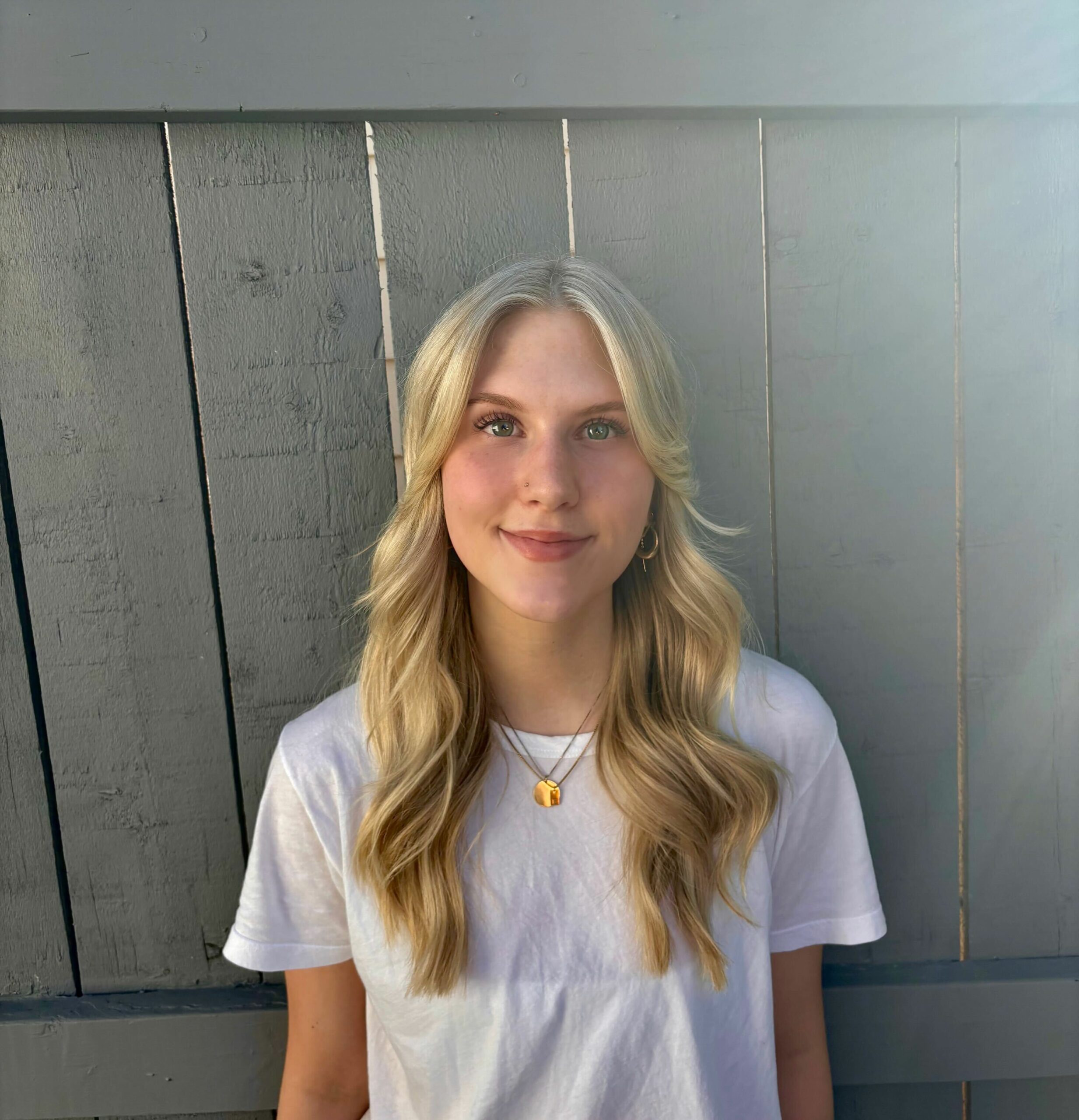
Ella Neuman is a recent graduate in psychology and a political science minor. She is interested in political psychology, counselling psychology, and forensic psychology. After completing her BA, Ella plans on pursuing graduate studies in either counselling psychology or forensic psychology.

Mya Gaudet is a fourth-year Psychology student with a keen interest in social psychology, particularly in exploring relationships and group interactions. Mya plans to pursue a master’s and a PhD in clinical psychology, with the goal of working with diverse communities in the future.

Yami Patel is a fifth-year psychology major with a sociology minor in the Bachelor of Arts. She is interested in social psychology, with a focus on how marginalized and underrepresented groups can emerge as unconventional leaders and what that would change for society. In the future, she plans on attending graduate school for counselling, clinical or forensic psychology.
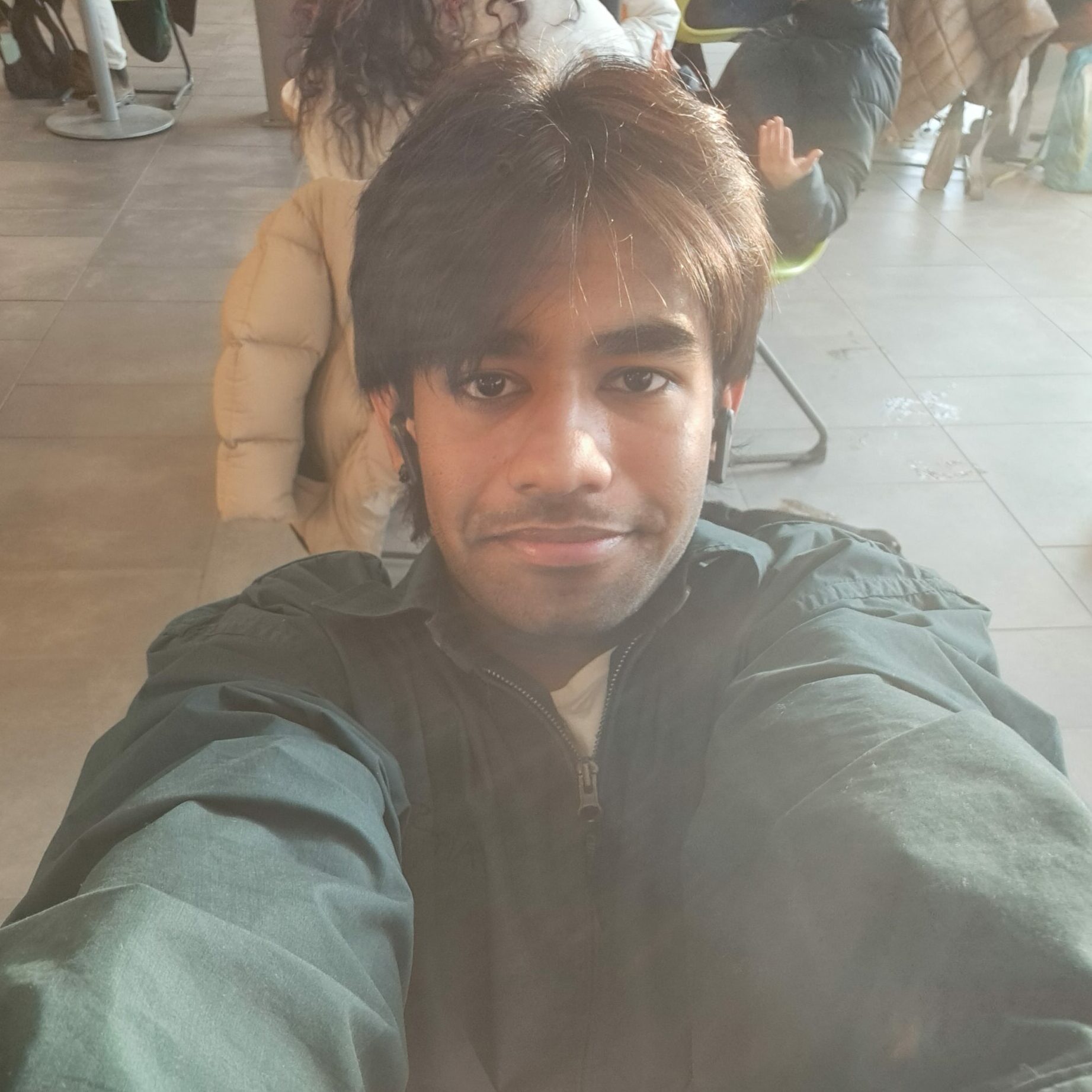
Akila Edirisinghe is a fifth-year psychology and computer science student. He is interested in social psychology, particularly topics like intergroup dynamics, cohesion and development. He is planning to attend graduate school to possibly pursue a masters in social psychology.
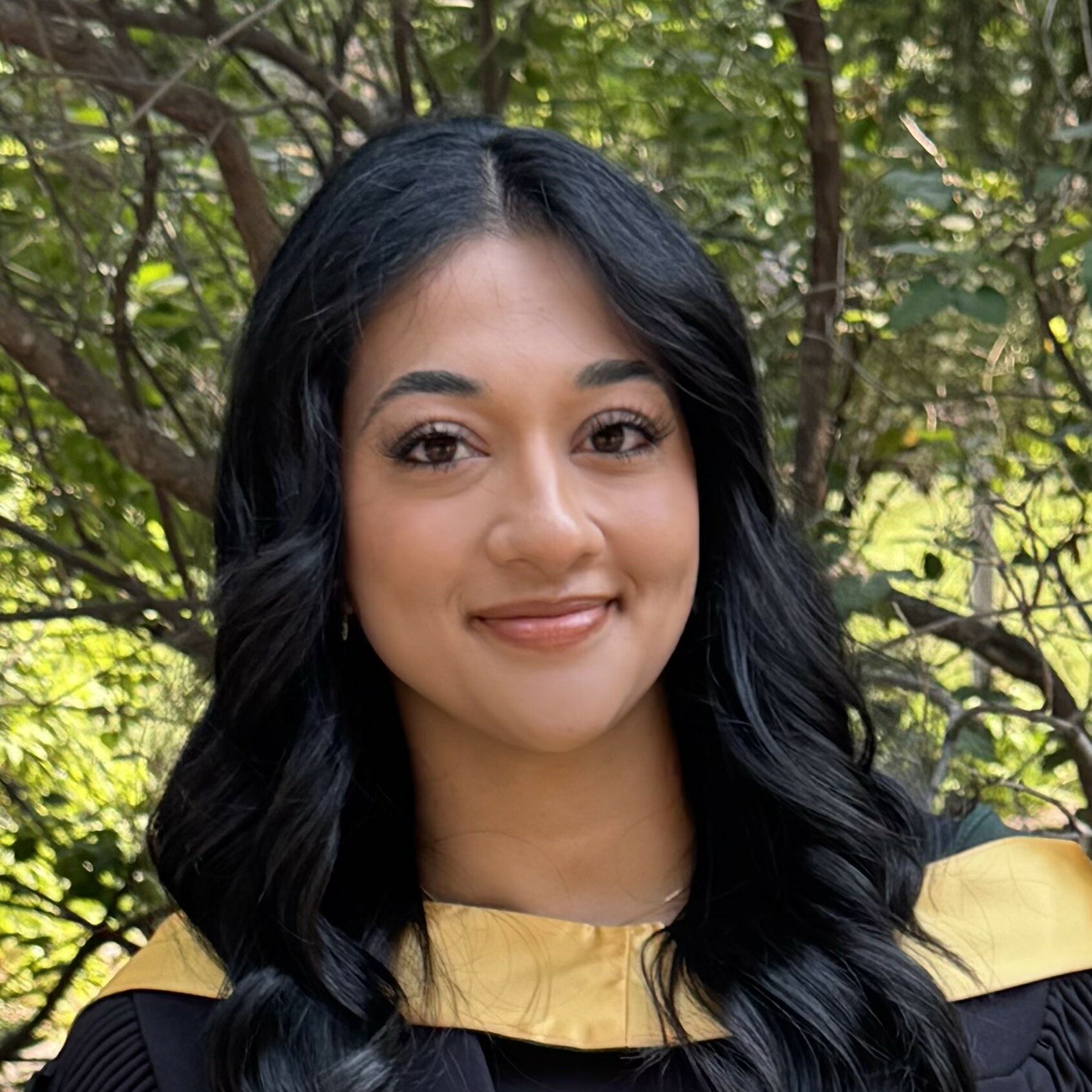
Harshita Gonella is a recent B.Sc. Psychology graduate from the University of Alberta, with a minor in Biology and a Research Certificate in Science. She is particularly interested in social psychology, identity theory, cultural psychology, and developmental psychology, and in how these domains inform our understanding of the mental health of marginalized and vulnerable populations. Harshita plans to pursue a master’s degree in Clinical or Counselling Psychology.
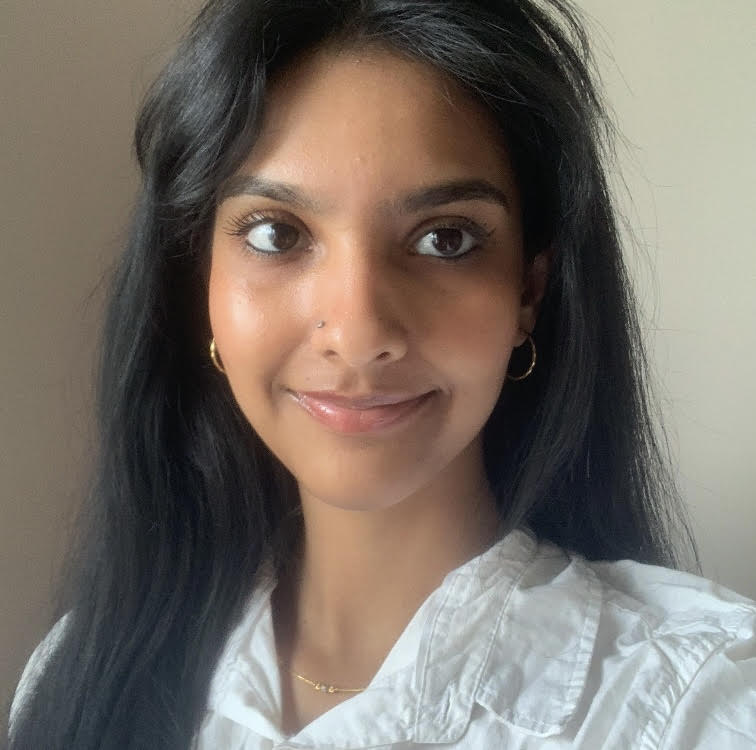
Ishita Parikh is in her last year of completing her Bachelor of Science degree in psychology, with a minor in Biological Sciences. Her interests include the modification of human and animal behaviour, as well as exploring how social persuasion leads to conformity. After completing her degree, she plans to pursue graduate studies in psychology and enter the field of research and teaching.

Quenelle Peckham is a second-year psychology student majoring in psychology with a minor in sociology. She is interested in the causes of mental disorders as well as forensic psychology. She wants to understand how social structures and experiences result in mental health issues and delinquency. After her bachelor’s, she plans to obtain a PhD to conduct research in the field of forensic psychology.

Eva Sharon is a fifth-year student majoring in Psychology and pursuing three certificates at the University of Alberta. She is interested in gaining more research experience and is curious about topics relating to social psychology, developmental psychology, behaviour analysis and anything relating to people’s mental and physical wellbeing. She is currently applying for a counselling or clinical psychology graduate degree.

Ritika Raval is a fifth-year student majoring in Psychology. She is interested in learning about group processes and how leaders emerge during times of crisis. She hopes to pursue her Master’s in clinical psychology, focusing on the forensic aspect of it.
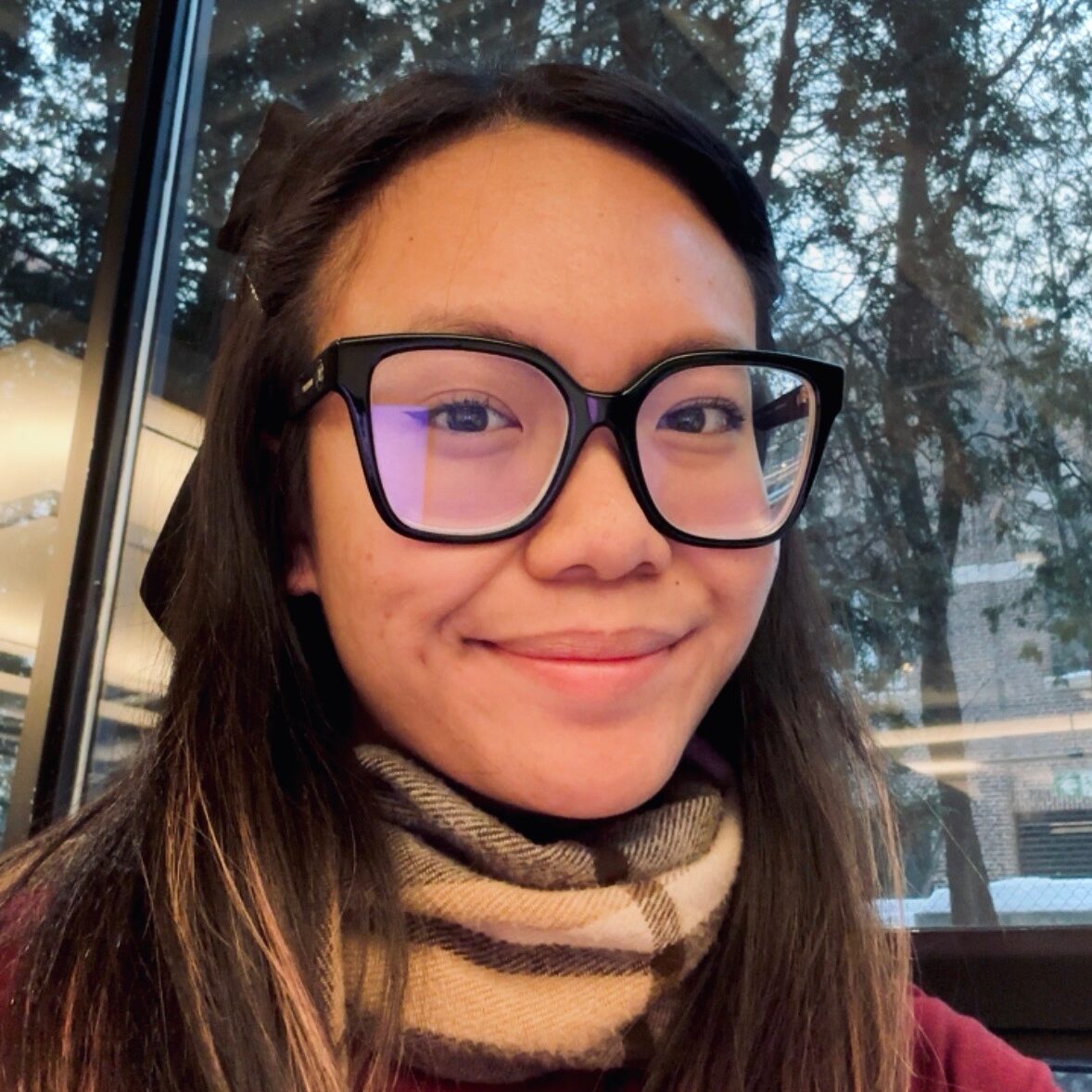
Mana Espinoza is a third-year undergraduate student majoring in Psychology with a minor in Sociology. She is specifically interested in leadership in social psychology, including intergroup leadership theory, and in how followership influences a leader. After completing her undergraduate degree, she hopes to apply her research skills and knowledge in her career with the Canadian Armed Forces.
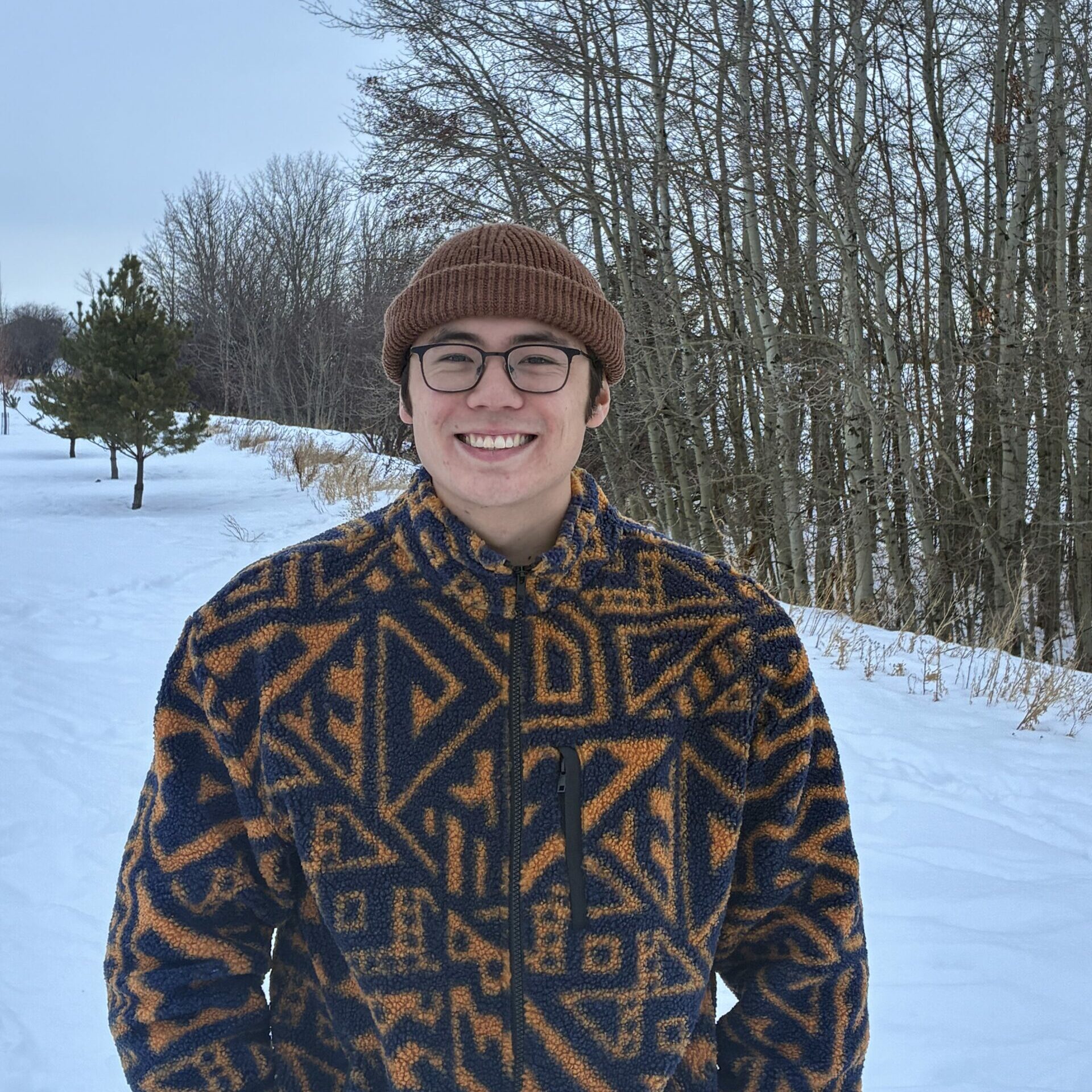
Holden Craig is a fourth-year Bachelor of Science Honors student majoring in Psychology. He has a wide range of interests, from the media’s influence on social norms and the role of aggression in social messaging to Jungian archetypes and the psychology of dreams. After his undergrad, he plans to pursue graduate studies in counselling psychology.
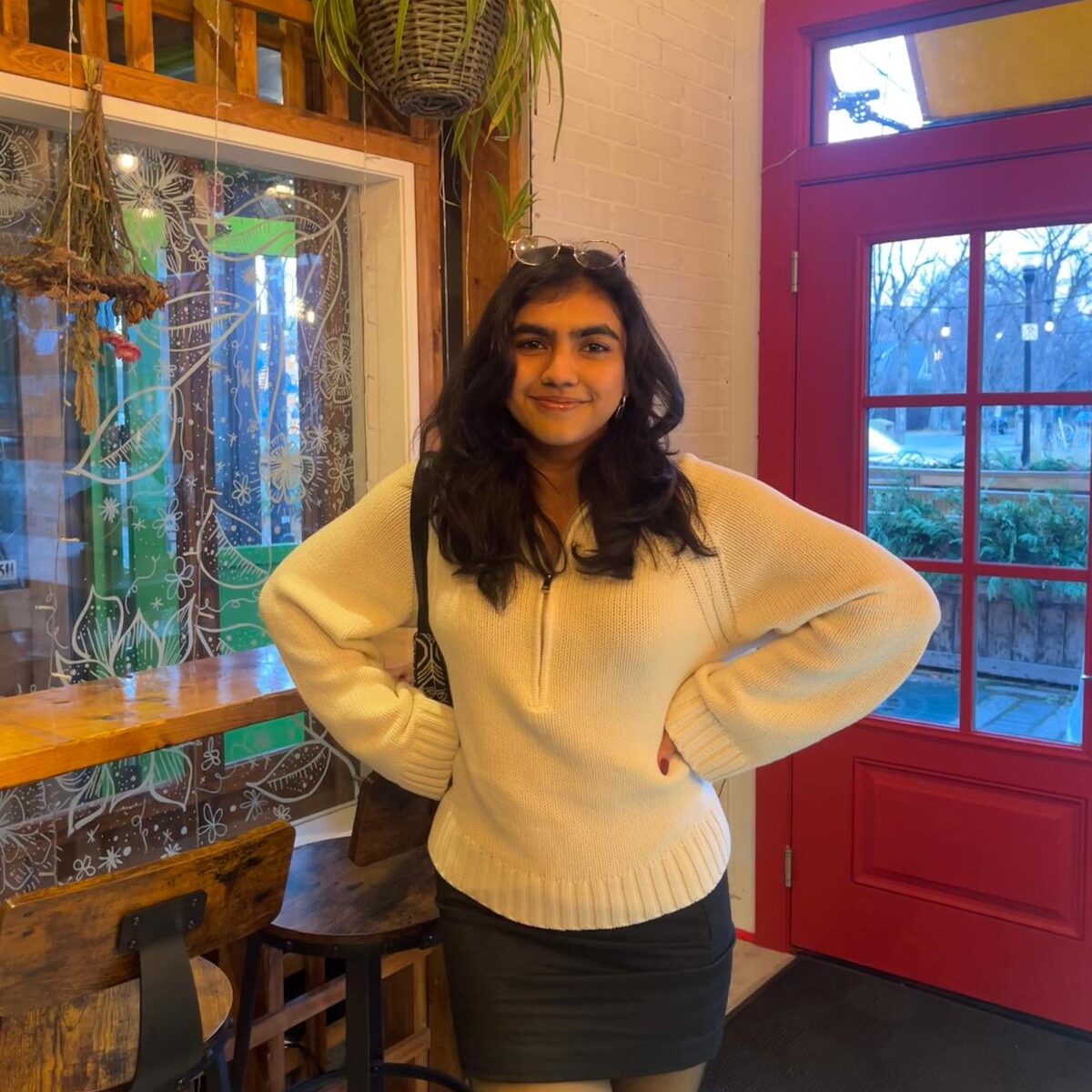
Mishthi Batra is a fourth-year Psychology Honors student. Her research interests focus on interpersonal relationships, conformity, and group processes, particularly how social belonging and peer influence shape attitudes, behaviour, and decision-making within groups. She is especially interested in how group dynamics influence relationship formation, identity, and social behaviour. In the future, Mishthi hopes to pursue graduate studies in clinical or developmental psychology.

Samantha Smith is a fourth-year undergraduate student majoring in Psychology with a minor in Economics at the University of Alberta. She is interested in social psychology, particularly belief formation, decision-making, emotion, and motivation in group and interpersonal contexts. She is especially interested in how emotional processes influence belief updating and social judgments. After completing her undergraduate degree, Samantha hopes to pursue graduate studies in counselling or clinical psychology.

Aneesha Sorensen is a fourth-year BA student majoring in Psychology with a minor in Business. She also volunteers with the END Lab. These experiences have expanded her interests within psychology and strengthened her passion for learning and research.

Elijah Kong is a 3rd year undergraduate psychology student minoring in mathematics. He is interested in group processes and social decision making, particularly as they relate to suicide prevention. After his bachelor’s, he plans to gain more research experience through graduate studies.
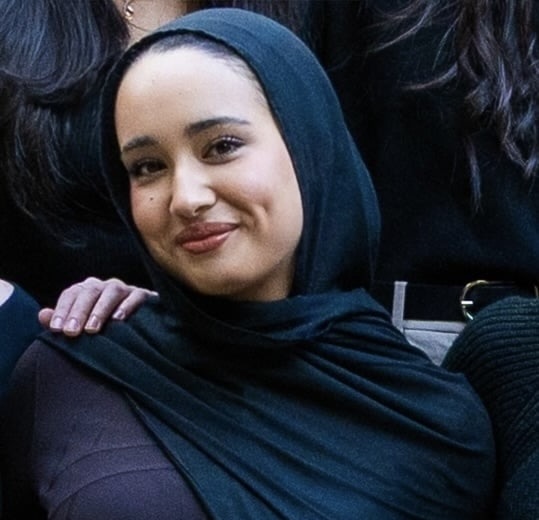
Farah Elgnaoui is a fourth-year Honours Psychology student in the Faculty of Science. She is currently interested in developmental psychology, cultural psychology, and clinical psychology. After completing her undergraduate degree, she plans to pursue a master’s degree and possibly a Ph.D. in clinical psychology.
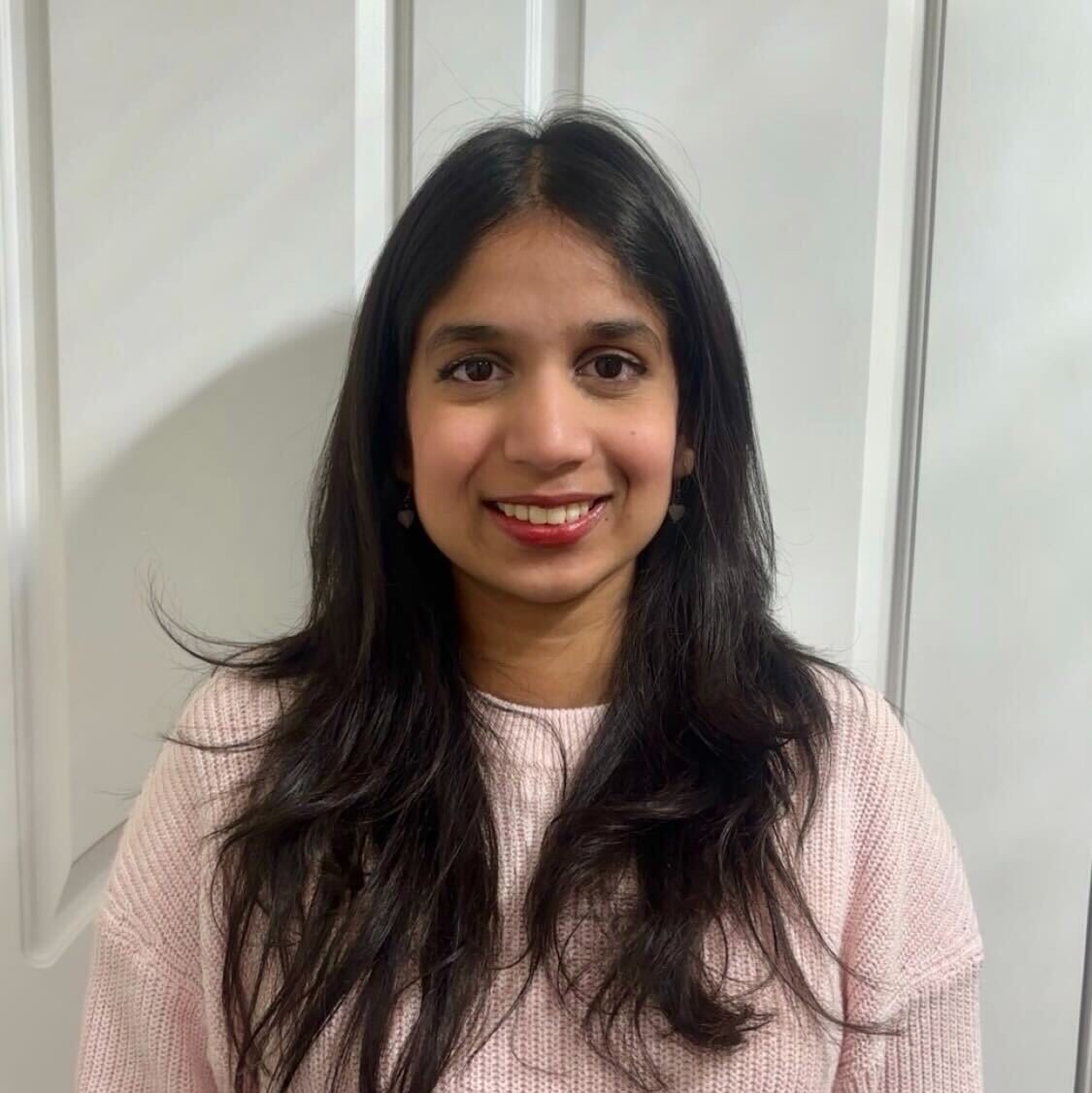
Meghana Ramanatham is a third-year Bachelor of Science student majoring in Psychology. Her primary research interests lie in social psychology, particularly moral psychology and the cognitive and social processes that influence moral reasoning. After completing her undergraduate degree, she hopes to pursue graduate studies in clinical or experimental psychology.
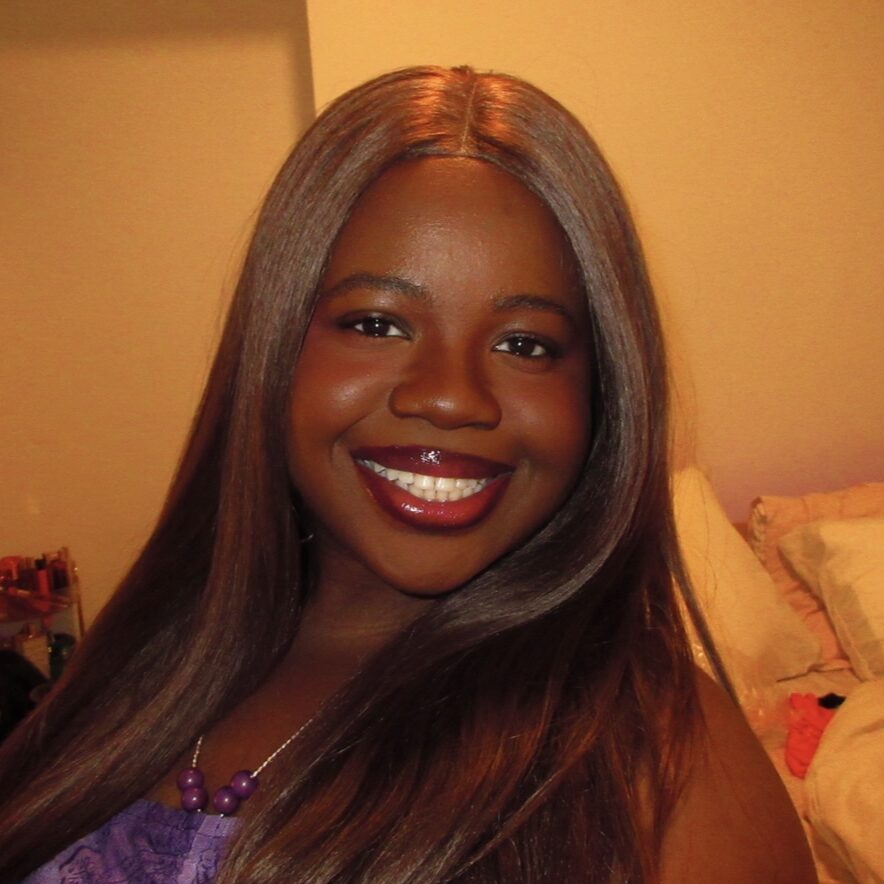
Melody Ewubare is a fourth-year BSc Psychology with a minor in Sociology. Her research interests include social and forensic psychology, particularly how social influence, group dynamics, and interpersonal processes shape behaviour and decision-making. She is also interested in how social and cultural factors influence individual behaviour and experiences. After completing her undergraduate degree, she hopes to pursue graduate studies in forensic or clinical psychology and continue developing her research experience.

Gwynne Ramos is a fourth-year Bachelor of Arts in Psychology, with a minor in Business. She has a variety of interests within the field of social psychology, including social influence, cultural psychology, personality theory, and interpersonal relationships and processes. She’s particularly interested in how these theories can apply to the effects of popular TV show media on one’s mental health, motivations, social behaviour, and identity. In the future, Gwynne hopes to pursue graduate studies in either Experimental Psychology or Mental Health & Counselling.
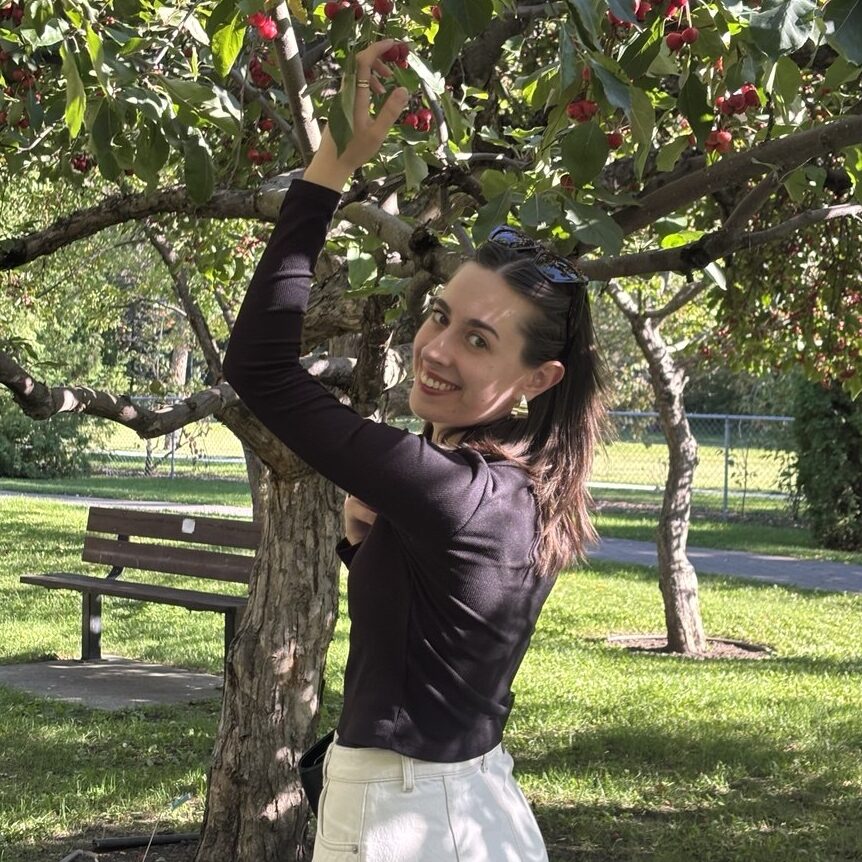
Yaryna Ohirchak is a 4th-year student majoring in Psychology (Arts) with a minor in Sociology. She is hoping to pursue a career in Counselling Psychology, and has an interest in organizational dynamics within NGOs and group counselling. She hopes to gain a deeper understanding of social psychology, particularly how culture shapes leadership emergence and how leadership and group dynamics can influence individuals, organizations, and communities.
Alumni

Kathryn Kincaid is an assistant professor of psychology at Claremont Graduate University (USA). Her research focuses on political psychology (e.g., political polarization, anti-democratic attitudes), intergroup relations, and leadership from a social identity perspective.
- Anjewierden, B., Kincaid, K., Gaffney, A. M., & Rast, D. E. III (forthcoming). Uncertainty and social identity. In K. Vail, D. Van Tongeren, B. Schlegel, J. Greenberg, L. King, & R. Ryan (Eds.), Handbook of the Science of Existential Psychology.
- Kincaid, K., Ma, A., Rast, D. E. III, Gaffney, A. (2025). One of us: Autocratic leadership undermines leader support less when leader and follower are politically aligned. Journal of Applied Social Psychology. https://doi.org/10.1111/jasp.70024
Kincaid, K. M., Ma, A. C., Rast III, D. E., & Hogg, M. A. (2024). That’s my autocrat: Self-uncertainty elevates support for autocratic leadership during Canada’s - Freedom Convoy. Analyses of Social Issues and Public Policy. https://doi.org/10.1111/asap.12414
- Ouyang, Y., Kincaid, K. M., Rast, D. E. III, Gaffney, A. M., & Hogg, M. A. (2024). Incumbency and uncertainty: When prototypical leaders lose their advantage. Journal of Social Psychology. https://doi.org/10.1080/00224545.2024.2325420.
- Kincaid, K. & Rast, D. E. III (2023). Social identity theory. In G. R. Goethals, S. T. Allison, & G. J. Sorenson (Eds.), Encyclopedia of Leadership Studies (2nd ed.) SAGE. https://doi.org/10.4135/9781071840801
Affiliate Lab Members
We actively collaborate with a number of scholars and researchers at other universities around the world. This is a brief list of people with whom we have active and on-going research collaborations.

Richard J. Crisp is a professor of psychology and Head of the Department at Durham University (UK). Rich has published widely on diversity, multiculturalism, prejudice, stereotyping, social cognition and intergroup contact.

Amber M. Gaffney is an assistant professor of psychology at Humbodlt State University (USA). Her research focuses on minority influence, group polarization, leadership, and attitude change from a social identity and self-categorization perspective.

Steffen Giessner is a professor of organizational behavior and change at the Rotterdam School of Management (Netherlands). His primary research topics are employee support during organizational merger, follower’s perceptions of leadership, antecedents of leader behavior, and non-verbal communication of power.

Justin D. Hackett is an associate professor of psychology at California University of Pennsylvania (USA). His research interests include political psychology, social change, social influence, social engagement and sense of community.

Michael A. Hogg is a professor of social psychology at Claremont Graduate University (USA). Mike’s research focuses on group processes, intergroup relations and the self-concept. His is closely associated with social identity theory, and he is considered the leading world expert on the social identity and self-categorization theories.

Georgina Randsley de Moura is a professor of social psychology at the University of Kent (UK). Her research is principally in the areas of leadership, innovation and what happens when group members break rules or norms. Her research focuses intra-and intergroup dynamics and social psychology in organizations.

Daan van Knippenberg is the Joseph F. Rocereto Professor of Management at Drexel University’s LeBow College of Business (USA). Daan’s work closely associated with the organizational application of social identity theory. He has published extensively on topics such as leadership, diversity, team cognition, and creativity.