We are very excited to announce our ASPS 2026 speakers!
Dr. Arlene Oak
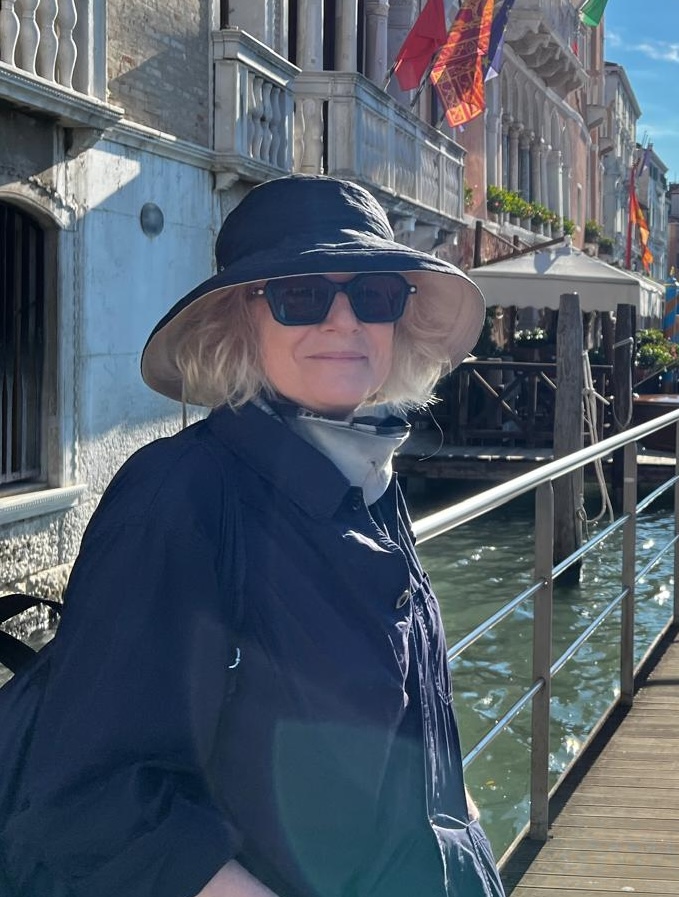
Arlene Oak is based in the Department of Human Ecology at the University of Alberta. Her work considers how the material world is shaped and engaged with through social interaction, particularly face-to-face conversation. Her background includes undergraduate degrees in studio-based design education (UAlberta), an MA in the History of Design & Material Culture (Royal College of Art), and a PhD in Social & Political Sciences (University of Cambridge). Her current research focuses on ‘design-build’ education, where students work with community members and others to plan and physically construct ‘real’ structures for use by ‘real’ people, while other projects have considered professional architects meeting with clients, engineering designers working in teams to develop new products, and the presentation of architectural design on reality-TV.
Discursive Perspectives on Material Things
This talk is an overview of research that explores relationships between language, particularly talk, and the creation and assessment of the material world of products, buildings, and urban infrastructures.
Dr. John Ellard
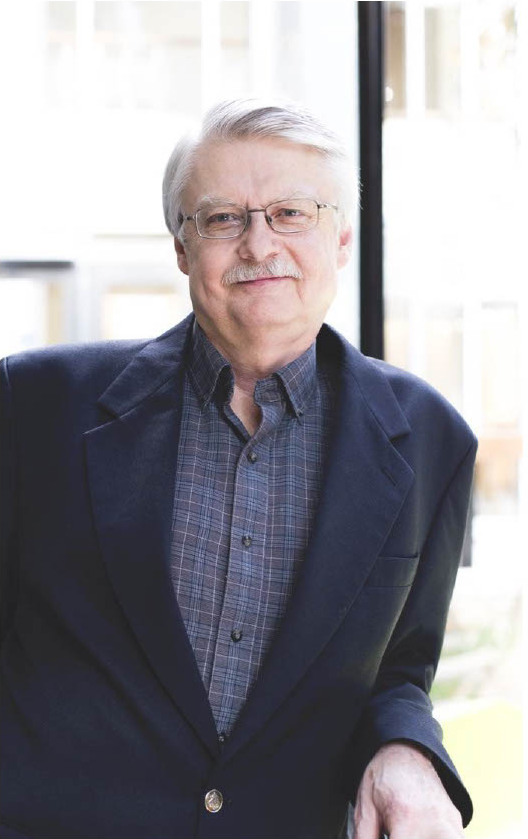
I’m a social psychologist with research interest in moral psychology and the psychology of people’s justice concerns. My first research experiences were at the University of Alberta in the 1970s as a research assistant for Dr. Brendan Rule and Dr. Allen Dobbs. I completed my PhD in social psychology at the University of Waterloo and a post doc at the University of Michigan. I will be retiring from the University of Calgary on June 30 after 39.5 years of service.
Social and Moral Psychology Reflections on the Integrity Challenge of Our Era
Drawing on wisdom from social and moral psychology, an analysis of the technical, social, and cultural dynamics that have made being a person of integrity more challenging than ever will be presented. The example of Generative AI and undergraduate education will be examined in support of an argument for establishing moral education as a foundational and required component of the undergraduate curriculum.
Shichen Fang
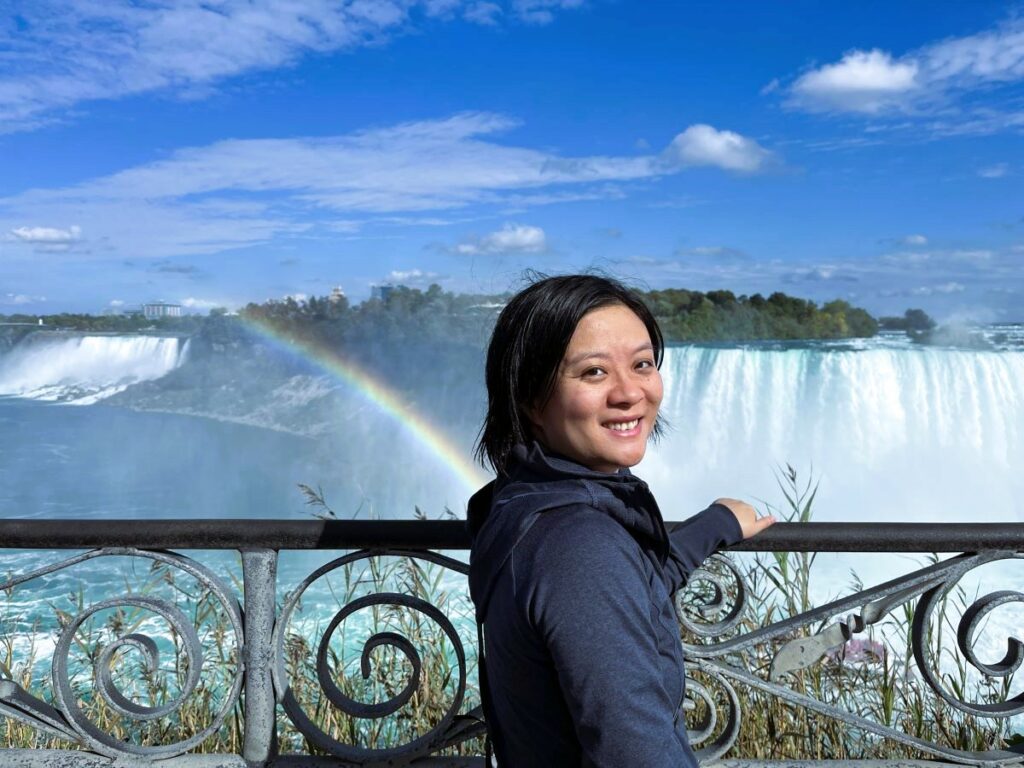
Shichen Fang is an assistant professor in the Department of Psychology at the University of Lethbridge. She completed her B.A. in Psychology at Simon Fraser University and earned her M.Sc. and Ph.D. in Developmental Science from the University of Alberta. Before joining the University of Lethbridge, she completed her postdoctoral training at the Pennsylvania State University and Concordia University. Her research interests include lifespan and life course perspectives on human development; intergenerational relationships in adolescence and young adulthood; individual, interpersonal, and contextual risk and protective factors for adolescent and young adult adjustment, mental health, and subjective well-being; and advanced quantitative methods for longitudinal data analysis.
More Than Academic Stress: A Broader Look at University Students’ Mental Health
University students’ mental health has become an important public health concern. This talk examines students’ mental health as a dynamic process that extends beyond academic stressors, drawing on both quantitative and qualitative evidence from a multi-cohort longitudinal research project. The findings highlight the importance of situating students’ mental health within broader life contexts and developmental transitions.
Dr. Holli-Anne Passmore
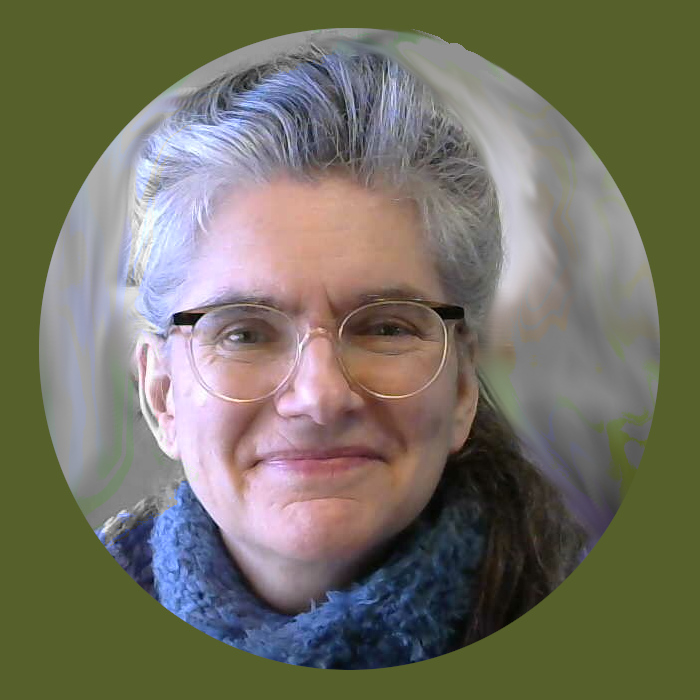
Dr. Holli-Anne Passmore is an Associate Professor of Psychology at Concordia University of Edmonton, and Director of the multi-university Nature-Meaning in Life (NMIL) Research Lab. Holli-Anne collaborates with researchers around the globe examining, in particular, the beneficial impact that noticing every day nature has on our well-being. Holli-Anne’s research has been featured in various media including The Washington Post, The Guardian, BBC Radio, and CBC Radio, as well as in books, textbooks, and of course published in numerous peer-reviewed journals and publications. Further information on Dr. Passmore’s work can be found on her website at https://nmil.ca .
Justice, Equality, Giving, Receiving: Complexities of the Human—Nature Relationship
Our relationship with the beyond-human natural world underpins every aspect of human wellbeing. Yet, our relationship with the interconnected systems and life on Earth is damaged, characterized by disconnection and inequity. Our ‘human exceptionalism’ mindset regarding (the rest of) nature is at the root of this frayed and dysfunctional relationship. This mindset (substantially more prevalent in WEIRD populations) is causing grave damage to the life-sustaining systems on Earth. Moreover, impacts of this damage (e.g., climate crises and biodiversity loss) are inequitable across demographics. This presentation will discuss these complexities of the human—nature relationship. Connecting with nature will be discussed as an evidence-based way to shift our mindset regarding nature, and spur us to actively repairing and rebuilding our relationship with nature, while boosting our wellbeing. The role of social psychology will be discussed. Practical, evidence-based nature-based wellbeing interventions will be presented—activities that do not add time to your day, but rather can be incorporated into your daily routines by noticing and engaging with the everyday nature you encounter.
Dr. Scott Semenyna
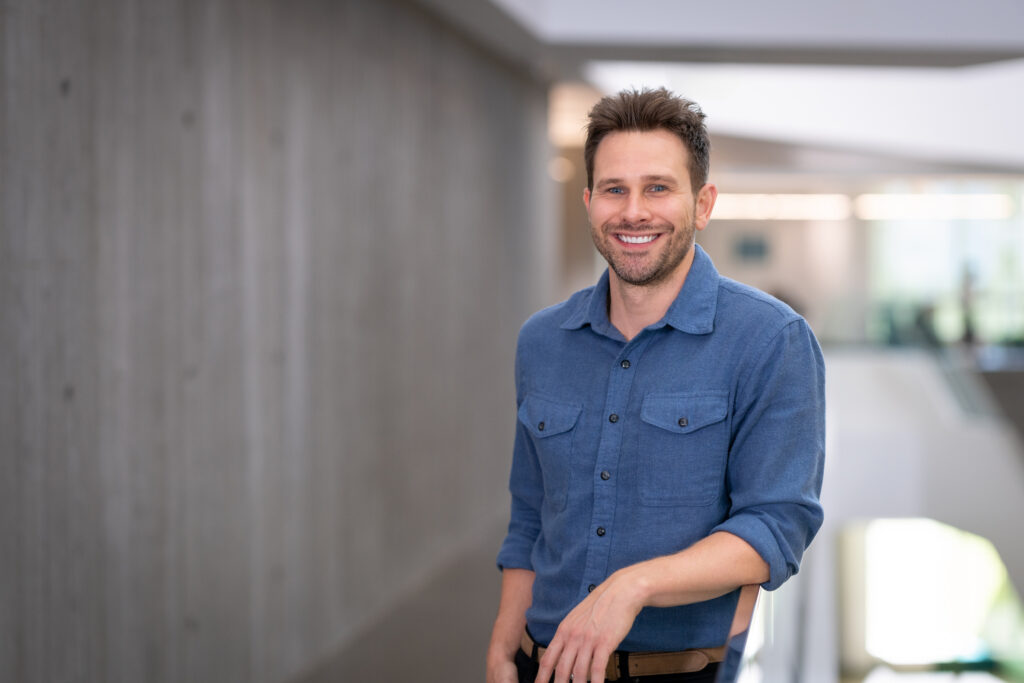
Scott Semenyna completed an honours psychology degree at MacEwan University (2012) and a PhD in Evolution and Behaviour at the University of Lethbridge (2021). He held a faculty position at Stetson University (Florida) before returning to his alma matter, where he has been an Assistant Professor since 2024. Scott uses evolutionary and cross-cultural frameworks to study sex and sexual orientation, and the many fascinating ways each of these factors influence human behaviour.
Romantic Competition Between the Sexes: Mixed-Methods Evidence from Three Cultures
Authors: Scott W. Semenyna, Francisco R. Gómez-Jiménez, & Paul L. Vasey.
Humans compete over sexual and romantic partners they find desirable, but past research overwhelmingly conceptualizes this competition as happening within-sex. Females compete with females, and males with males. However, human diversity in sexual orientation, sexual behaviour, and even gender expression or identity, sets the stage for an interesting and underappreciated reality. Males and females can and do compete for the same sexually enticing targets. I will detail the frequency and features of this type of mate competition, focussing special attention on two fascinating cultures. In Samoa, males who are exclusively attracted to other males generally adopt a feminine gender presentation, engage in sexual interactions with masculine men, and identify as fa’afafine—a widely recognized gender category existing beyond the man/woman binary. Women frequently compete with fa’afafine for the romantic and sexual attention of handsome Samoan men. Not infrequently, fa’afafine win these competitions against their female rivals. The same is true in the Zapotec Isthmus (Mexico), where women conveyed fascinating stories of competing against feminine males known as muxes for the romantic affections of men. Mating market dynamics are far from exclusively heterosexual, and these cross-cultural data highlight a form of inter-sexual mate competition Darwin didn’t recognize. Insights gleaned from this research program also tell us where to look for mate competition between the sexes in our own culture.